
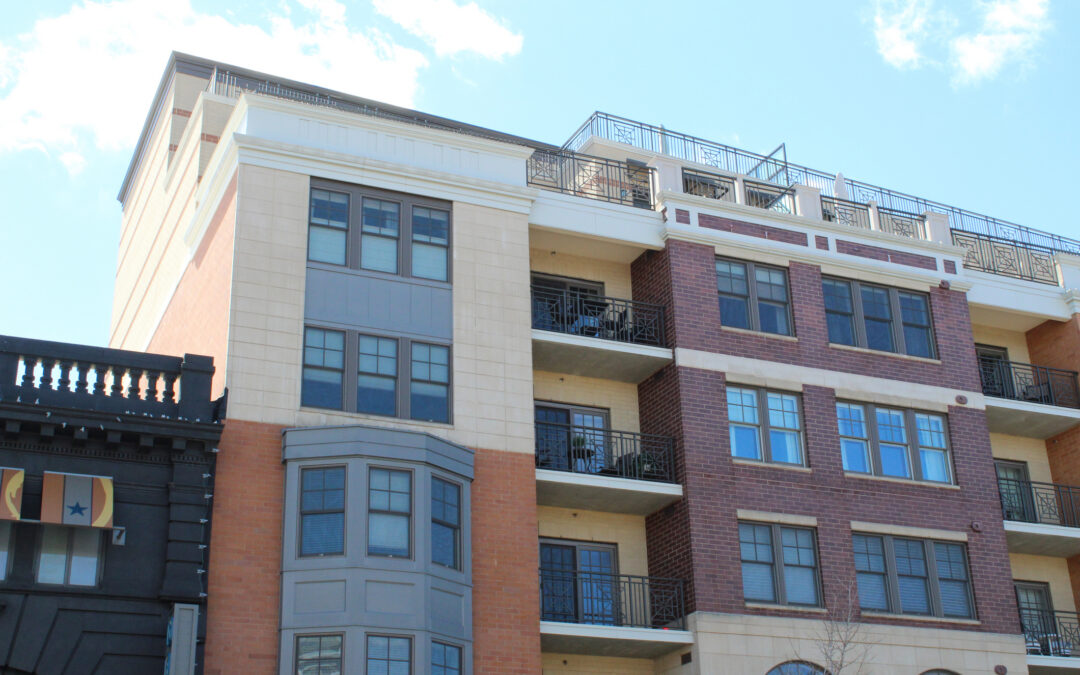
Redding, California, offers real estate investors a variety of opportunities, from single-family homes and multifamily properties to properties with potential for long-term rental income.
But buying an investment property is different from buying a home for yourself. Instead of focusing only on whether you like the property, investors need to evaluate income potential, operating expenses, location, property condition, financing, and long-term goals.
If you're considering buying an investment property in Redding, CA, this guide explains some of the most important factors to evaluate before making an offer.
1. Start With Your Investment Goals
Before looking at properties, determine what you want the investment to accomplish.
Different investors may have very different goals.
For example, you might be looking for:
- Monthly rental income
- Long-term appreciation potential
- A property to renovate and improve
- A long-term rental
- A multifamily property
- A property you can eventually sell
- Diversification of your investment portfolio
Your goals will influence the type of property you should consider.
A property that produces strong current cash flow may look very different from one purchased primarily for long-term appreciation.
2. Location Matters
One of the most important factors in real estate investing is location.
In Redding, investors should look beyond the city as a whole and evaluate the specific neighborhood and property location.
Consider proximity to:
- Employment centers
- Shopping
- Restaurants
- Schools
- Medical facilities
- Parks
- Major roads
- Public transportation
- Recreation
- Other desirable amenities
Also consider the characteristics of surrounding properties.
A well-maintained rental in an established neighborhood may attract a different tenant profile than a property in an area undergoing significant redevelopment.
3. Understand the Local Rental Market
Before purchasing a rental property, research the local rental market.
Look at comparable properties and determine what similar homes are actually renting for.
Consider:
- Monthly rental rates
- Number of bedrooms and bathrooms
- Square footage
- Property condition
- Lot size
- Garage or parking
- Appliances
- Neighborhood
- Amenities
- How long comparable properties remain available
Don't assume that a property will rent for a particular amount simply because another property nearby has a similar asking price.
Rental values can vary significantly based on condition, location, and features.
4. Calculate the Potential Income
Once you've estimated the realistic rental income, calculate the property's potential income.
For example:
Estimated annual rent = Monthly rent × 12
But gross rent isn't the same as profit.
An investment property's expenses may include:
- Mortgage payments
- Property taxes
- Insurance
- Repairs
- Maintenance
- Property management
- Utilities paid by the owner
- Landscaping
- Pest control
- Vacancy
- HOA fees
- Legal and accounting expenses
A property that looks attractive based on gross rent may have very different economics once all expenses are considered.
5. Don't Ignore Vacancy
Rental properties aren't necessarily occupied 100% of the time.
When calculating potential returns, investors should account for periods when the property may be vacant between tenants.
You may also experience periods when rent isn't collected because of:
- Tenant turnover
- Repairs
- Renovations
- Marketing time
- Delayed leasing
- Other unexpected circumstances
Using conservative assumptions can help produce a more realistic financial analysis.
6. Evaluate the Property's Condition
A low purchase price doesn't necessarily mean a good investment.
A property that needs significant repairs could require substantial additional capital after closing.
During your evaluation, pay attention to:
- Roof condition
- HVAC system
- Plumbing
- Electrical system
- Foundation
- Windows
- Flooring
- Appliances
- Exterior condition
- Landscaping
- Drainage
- Pest issues
A professional inspection can identify problems that aren't obvious during a typical showing.
7. Think About Insurance Before You Buy
Insurance is an important operating expense for investment properties.
Before purchasing, investigate what insurance coverage is available and what it will cost.
Depending on the property, you may need to consider issues such as:
- Property coverage
- Liability coverage
- Fire-related risks
- Deductibles
- Additional coverage
- Rental-property or landlord policies
Insurance costs can materially affect your investment calculations, so getting actual quotes before closing can be useful.
8. Consider Property Management
Are you planning to manage the property yourself?
If you live nearby and have the time and experience, self-management may be an option.
Other investors prefer to hire a property management company.
Property management can help with:
- Marketing vacancies
- Tenant screening
- Rent collection
- Maintenance coordination
- Tenant communications
- Lease administration
However, management fees become another investment expense.
When analyzing a property, determine whether the numbers still work after accounting for professional management—even if you initially plan to manage it yourself.
9. Understand the Financing
Investment-property financing can differ from financing for a primary residence.
Before shopping seriously, talk with a qualified lender about:
- Down-payment requirements
- Interest rates
- Loan terms
- Credit requirements
- Reserve requirements
- Debt-to-income considerations
- Financing options for different property types
Getting financing information early can help establish a realistic purchase-price range.
10. Look at the Numbers, Not Just the Property
It's easy to fall in love with a property.
But investment real estate requires a financial analysis.
Consider calculating:
Gross Rental Income
The total expected rental income before expenses.
Operating Expenses
Costs associated with maintaining and operating the property.
Net Operating Income
Income remaining after normal operating expenses, before debt service and certain other financial considerations.
Cash Flow
The amount remaining after expenses and debt payments.
Cash-on-Cash Return
A measure that compares annual cash flow with the amount of cash invested.
These calculations can help you compare investment opportunities more objectively.
A real estate professional and qualified financial or tax adviser can help you understand which calculations are appropriate for your circumstances.
11. Consider the Long-Term Potential
An investment property isn't necessarily about what happens during the first year.
Think about where the property could be several years from now.
Consider:
- Potential changes to the neighborhood
- Property improvements
- Rental demand
- Maintenance requirements
- Future capital expenses
- Local development
- Your eventual exit strategy
Ask yourself what you expect to do with the property five, ten, or more years into the future.
12. Know the Property's Zoning and Restrictions
Before purchasing an investment property, understand what you're legally allowed to do with it.
Depending on the property, investigate:
- Zoning
- Rental restrictions
- HOA rules
- Access
- Parking requirements
- Building requirements
- Permitted uses
- Additional dwelling-unit possibilities
- Local regulations
Never assume that a property can be used for a particular purpose simply because a similar property nearby is being used that way.
Verify the applicable requirements before making an investment decision.
13. Think About Your Ideal Tenant
A successful rental property needs tenants.
Think about who is likely to rent the property.
For example, the ideal tenant profile may vary depending on whether the property is:
- A small apartment
- A three-bedroom single-family home
- A larger family property
- A property near employment centers
- A property with acreage
- A multifamily investment
Understanding the likely tenant pool can help you evaluate whether the property is positioned appropriately for the local rental market.
14. Don't Forget Maintenance and Capital Expenses
Every property eventually needs repairs.
Eventually, you may need to replace:
- Roofs
- HVAC systems
- Water heaters
- Appliances
- Flooring
- Fencing
- Exterior finishes
These expenses can be substantial.
A good investment analysis should account for both routine maintenance and larger future capital expenditures.
15. Work With Local Real Estate Knowledge
Redding's real estate market includes a variety of neighborhoods and property types.
An experienced local real estate professional can help investors identify properties that match their criteria, analyze comparable sales, understand neighborhood characteristics, and navigate the purchase process.
However, real estate agents aren't financial advisers. Investment decisions should be evaluated with appropriate financial, tax, legal, and lending professionals.
Is a Redding Investment Property Right for You?
Buying an investment property is a significant financial decision.
The right property depends on your:
- Investment objectives
- Available capital
- Financing
- Risk tolerance
- Desired cash flow
- Time commitment
- Investment horizon
- Property-management plans
Don't evaluate a property solely by its purchase price or projected rent.
Look at the entire investment.
Purchase price + financing + operating expenses + maintenance + vacancy + taxes + insurance + management = the bigger picture.
Ready to Explore Redding Investment Properties?
If you're considering purchasing an investment property in Redding, CA, Tomas Avalos Real Estate can help you explore available properties and understand the local real estate market.
Whether you're looking for a single-family rental, multifamily property, land, or another investment opportunity, Tomas can help you identify properties that fit your search criteria and connect you with the professionals you need throughout the transaction.
Ready to start exploring Redding investment properties?
Contact Tomas Avalos Real Estate to discuss your investment goals and begin your property search.
Frequently Asked Questions
Is Redding a good place to buy an investment property?
Redding offers a range of residential and investment-property opportunities. Whether a specific property makes a good investment depends on its purchase price, rental income, operating expenses, financing, condition, location, and the investor's goals.
What should I look for when buying a rental property in Redding?
Important considerations include location, rental demand, purchase price, expected rent, property condition, taxes, insurance, maintenance, vacancy, financing, and potential property-management costs.
How much money do I need to buy an investment property?
The amount of money required depends on the property's purchase price, financing terms, lender requirements, down payment, closing costs, reserves, and anticipated repairs. Speak with a qualified lender for current requirements.
Should I manage my Redding rental property myself?
Some investors manage their own properties, while others use professional property managers. Consider the time commitment, distance from the property, your experience, and the cost of professional management.
Should I get a property inspection?
A professional inspection can identify potential problems with a property that may not be obvious during a showing. Investors should consider the property's condition and potential repair costs as part of their overall analysis.
Can Tomas Avalos Real Estate help me find an investment property?
Yes. Tomas Avalos Real Estate works with buyers interested in residential properties, land, and investment opportunities throughout the North State.